


Food-grade stainless steel in the food industry
When we think about food safety, we tend to focus on ingredients, processes and quality controls. However, one key factor is often overlooked: the material used to manufacture equipment and surfaces that come into direct contact with food. This is where food-grade stainless steel comes into its own, becoming an essential material in commercial kitchens, food preparation facilities and production plants.
It is no coincidence that the food industry relies on this material. Its strength, durability and ease of cleaning make it ideal for maintaining hygiene, preserving product quality and meeting food safety regulations.
In this article, we explain what food-grade stainless steel is, its main characteristics and its benefits. Read on to find out more.
What is food-grade stainless steel?
Food-grade stainless steel is an alloy designed to come into direct contact with food without affecting its properties or safety.
It consists mainly of iron, chromium and, in some cases, nickel, elements that give it high corrosion resistance and help prevent the migration of harmful substances.
Unlike other metallic materials, this steel does not react with food or with most cleaning products used in the industry. Its use is therefore governed by food safety regulations designed to ensure that it meets the relevant requirements. Stainless steel in the food industry not only protects the finished product but also helps maintain more controlled and reliable processes.
Characteristics of food-grade stainless steel
These properties explain why it has become the standard in steel manufacturing for the food sector. Its combination of strength, chemical stability and ease of maintenance makes it particularly suitable for environments where hygiene and safety are priorities.
Corrosion resistance
Food-grade stainless steel offers high corrosion resistance. The chromium in the alloy forms a protective layer that acts as a barrier against moisture, acids and other substances commonly encountered in food processing.
Food safety
This resistance helps prevent rust, cracks or flaking that could contaminate food. It therefore ensures safe and stable contact throughout the production process.
Hygiene and easy cleaning
The smooth, non-porous surface of stainless steel prevents the build-up of bacteria, organic residues and dirt, making cleaning quick and effective in continuously operated facilities.
Durability and service life
Thanks to its mechanical strength, this material withstands intensive use without losing its properties, reducing breakdowns and the need for frequent replacements.
Regulatory compliance
These characteristics help meet current food hygiene and safety regulations, supporting more controlled, safe, and efficient processes in the modern food industry and meeting the practical demands of food industry professionals.
Uses of stainless steel in the food industry
Stainless steel has a wide range of applications spanning almost every stage of the production chain, from the reception of raw materials to final packaging.
Some of the most common uses of stainless steel include:
- Worktables
- Storage tanks
- Pipes
- Conveyor belts
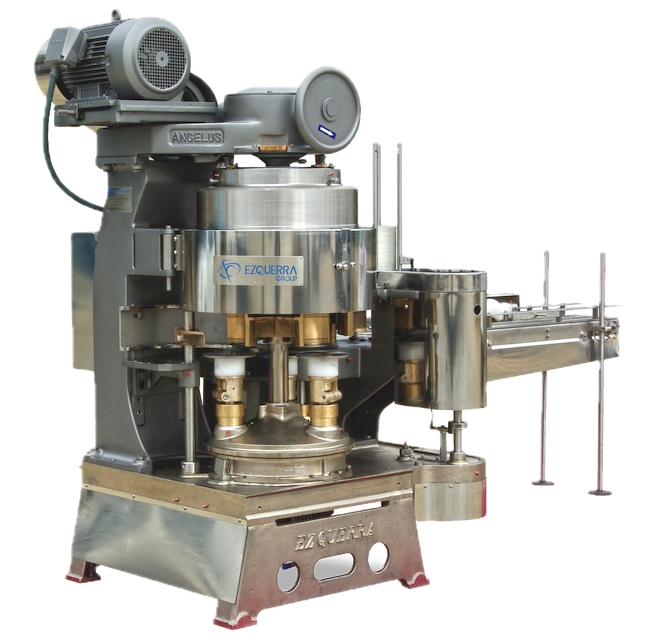
- Processing equipment
Its versatility makes it suitable for both small facilities and large industrial production lines.
Stainless steel in food production processes
In production processes, stainless steel plays a key role in the food industry.
It is used in:
- Mixers
- Ovens
- Fermentation tanks
- Pasteurisation systems
- Cutting machinery
- Fillers
- Can seamers
Its ability to withstand temperature changes, cleaning chemicals, and continuous use makes it ideal for maintaining food quality without compromising safety. It also supports more efficient, controlled production, minimising risks and technical stoppages.
What type of stainless steel is used in the food industry?
Not all stainless steels are the same or suitable for the same applications. The food sector uses specific alloys that meet the strength, hygiene and durability requirements of these environments.
Choosing the right grade depends on the intended application, the food being processed, and operating conditions such as temperature or exposure to corrosive substances.
304 stainless steel and other common alloys
304 stainless steel is one of the most widely used grades in food industry applications. Its balanced composition provides excellent corrosion resistance and good formability, making it suitable for a range of shapes and thicknesses.
Other alloys, such as 316, are used in more demanding environments, particularly where there is contact with highly saline or acidic products. In every case, the thickness of food-grade stainless steel is selected based on the required mechanical strength and installation type, ensuring a balance between safety and functionality.
Is stainless steel suitable for food contact?
Yes, stainless steel is one of the most suitable materials for food contact. Its chemical stability helps prevent unwanted reactions, does not alter flavours or odours, and preserves the product’s properties.
Its durability and strength also make it a sustainable choice in the long term, as it reduces material waste and maintenance costs. For these reasons, food-grade steel is a preferred choice in commercial kitchens, factories and processing plants.
Advantages of stainless steel over other materials
Stainless steel stands out from other materials commonly used in the food industry thanks to its long-term stability and versatility.
Performance under intensive use
Compared with plastic or aluminium, stainless steel maintains its shape and performance even under continuous operating conditions. It does not deform easily or lose its properties over time, making it a reliable choice for permanent installations.
Compatibility with industrial processes
This material is well suited to various manufacturing, machining, and welding processes. This enables the design of bespoke equipment and structures, which is essential for customised food production lines.
Long-term savings and efficiency
Although the initial investment may be higher, its long service life reduces maintenance and replacement costs, improving profitability in the medium and long term.
Commitment to sustainability
Because it is highly recyclable, stainless steel supports more responsible and efficient production models in the food industry.
Ezquerra Group: stainless steel solutions for the food industry
When working with food-grade stainless steel, experience and technical expertise make all the difference. At Ezquerra Group, we offer solutions designed to meet the real needs of the food industry, combining quality, precision, and reliability in every project.
- Development of bespoke components and parts.
- Selection of the most suitable steel grade and thickness.
- Solutions adapted to demanding industrial environments.
- Compliance with food hygiene and safety regulations.
Thanks to its expertise in stainless steel manufacturing and processing, Ezquerra helps improve the safety, efficiency and durability of production processes, delivering tangible added value to every installation.
Would you like to optimise your equipment or facilities with food-grade stainless steel? Contact Ezquerra Group for tailored advice on your project.

